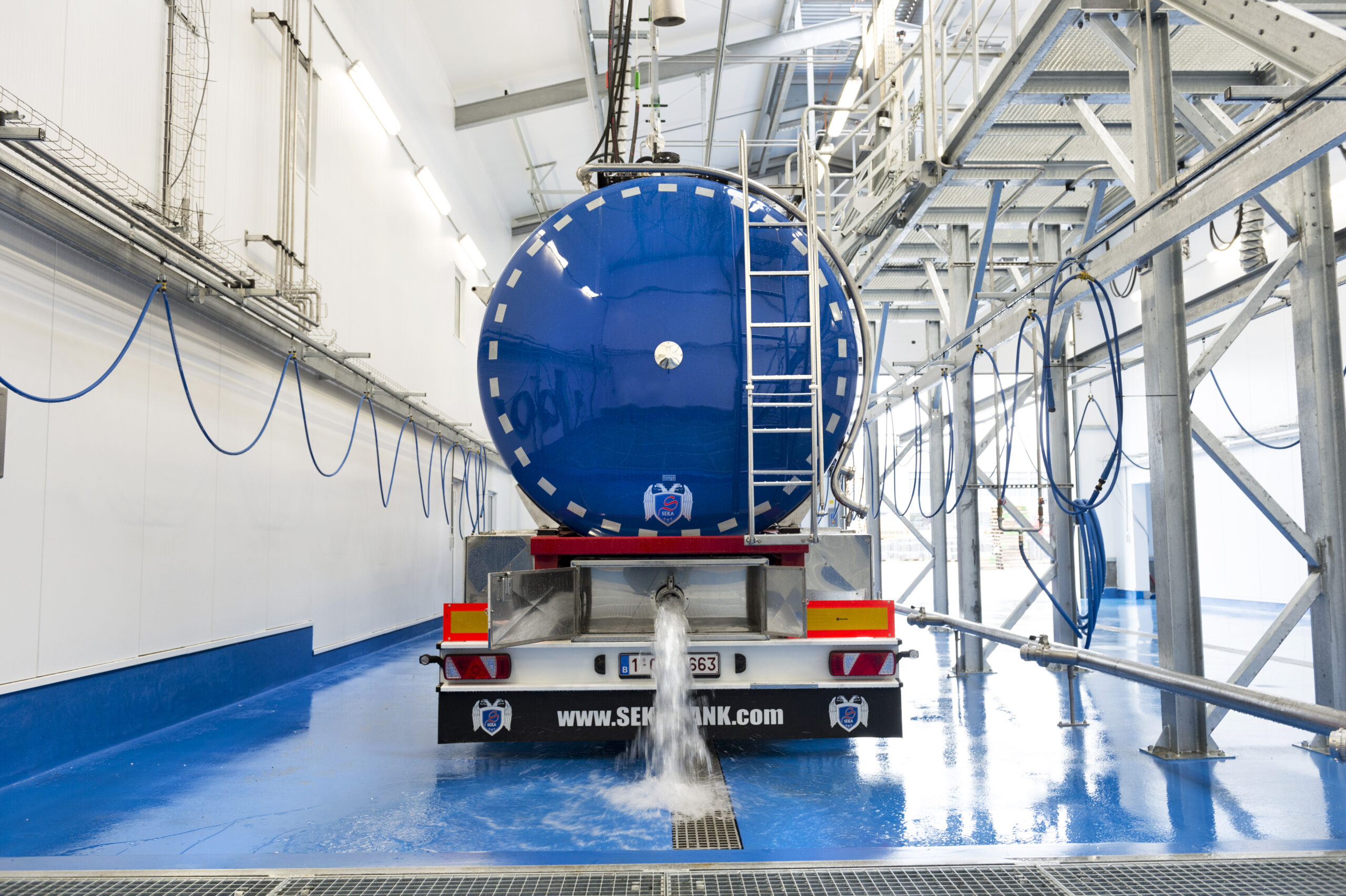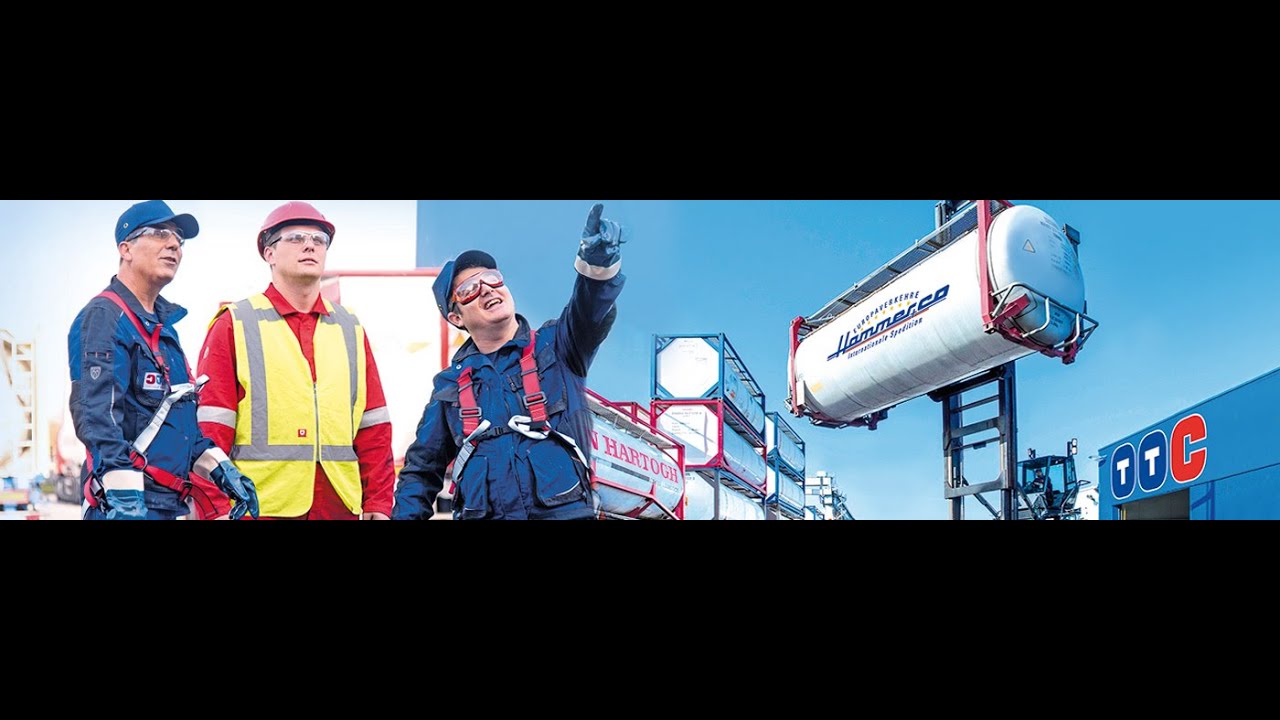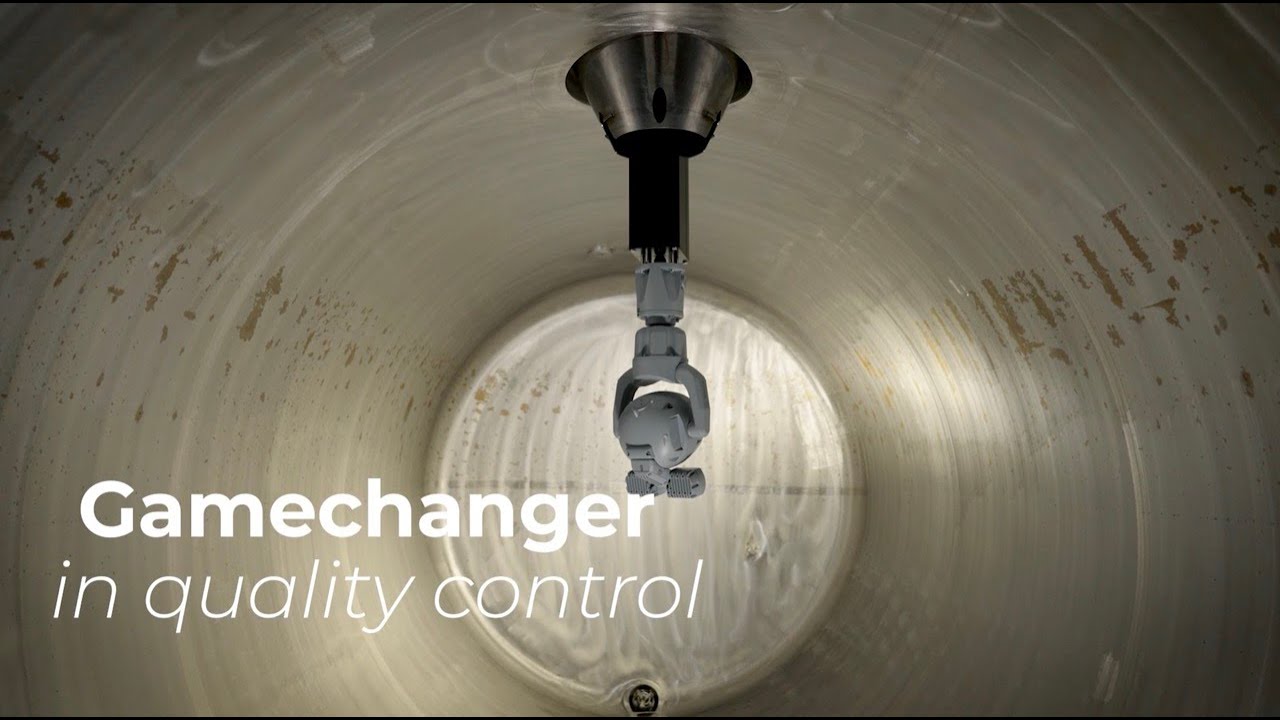



Water is the lifeblood of the tank cleaning industry. Whether cleaning road tankers, ISO containers or industrial storage vessels, operators depend on large volumes of high-quality water to achieve the stringent standards demanded by customers.
Yet the same process that requires clean water also generates significant quantities of wastewater, much of it heated and traditionally discharged after use.
Today, that long-established model is under increasing scrutiny. Rising water costs, stricter discharge regulations and growing sustainability expectations are forcing operators to take a closer look at how water moves through their facilities.
The challenge is no longer simply securing enough water to maintain operations. It is about controlling the entire water cycle, from intake and treatment to reuse and recovery.
For many tank cleaning businesses, this represents a significant shift in thinking. Rather than viewing wastewater as a disposal problem, operators are beginning to see it as a valuable resource that can be recovered, treated and returned to the process.
From linear consumption to circular water use
Historically, water management in tank cleaning followed a straightforward path. Freshwater entered the site, was used during cleaning operations and was then treated sufficiently for discharge.
While effective, this approach can be resource-intensive and increasingly difficult to justify in regions facing water scarcity or tighter environmental oversight.
The emergence of advanced wastewater treatment and reuse technologies is changing that equation.
Modern systems can now treat contaminated water to a quality suitable for reuse in cleaning operations, dramatically reducing the need for fresh supplies. As a result, facilities can lower water consumption, reduce wastewater discharge volumes and strengthen their environmental credentials without compromising cleaning performance.
This circular approach offers benefits that extend beyond sustainability. Reduced freshwater demand can lower operating costs, while minimising discharge volumes can help facilities manage regulatory obligations more effectively.
At a time when operational resilience is becoming just as important as efficiency, water reuse is rapidly moving from an environmental initiative to a business necessity.
An integrated approach
Achieving these outcomes requires more than a single piece of equipment. Effective water management depends on understanding and optimising the entire treatment chain.
That begins with process water and chemistry, including water conditioning and treatment chemicals that help ensure cleaning effectiveness.
It extends through wastewater treatment technologies such as dissolved air flotation (DAF), physico-chemical processes and biological treatment systems designed to remove contaminants and prepare water for reuse.
Increasingly, membrane technologies including ultrafiltration (UF) and reverse osmosis (RO) are playing a central role in advanced treatment strategies.
These systems enable operators to produce high-quality reuse water while maintaining the reliability required for demanding industrial cleaning applications.
Flexibility is also becoming a key consideration. Containerised and mobile treatment solutions provide operators with options that can be deployed quickly, adapted to changing requirements or integrated into existing facilities with minimal disruption.
Recovering more than water
Another important opportunity lies in energy recovery. Tank cleaning operations frequently use heated water, meaning valuable thermal energy is often lost when wastewater leaves the site. Heat recovery systems can capture and reuse that energy, reducing fuel consumption and improving overall efficiency.
In an era where businesses face pressure to reduce both carbon emissions and operating costs, combining water reuse with heat recovery creates a powerful sustainability strategy. Rather than addressing water and energy separately, operators can optimise both simultaneously, delivering measurable environmental and financial benefits.
Experience matters
The growing complexity of water management means expertise is becoming increasingly important.
Successful projects depend not only on technology selection but also on design, assembly, commissioning, optimisation and ongoing operational support.
AQUAPROX has positioned itself as a partner capable of supporting industrial operators throughout the complete water cycle, combining process water expertise, wastewater treatment, water reuse solutions and operational services.
Within the group, AAQUA specialises in wastewater treatment and water reuse systems tailored to tank cleaning facilities.
With more than 25 years of experience in the sector and over 100 references worldwide, the company has helped operators implement practical solutions that support long-term performance while reducing environmental impact.
As pressures on water resources continue to intensify, the tank cleaning sector is likely to accelerate its adoption of circular water strategies.
Facilities that successfully integrate treatment, reuse and recovery technologies will be better positioned to reduce costs, meet regulatory requirements and demonstrate their commitment to sustainable operations.
The future of tank cleaning is not simply about using less water.
It is about managing water more intelligently, extracting greater value from every drop and turning what was once considered waste into a resource that supports both business performance and environmental responsibility
Closing the loop: How smarter water management transforming tank cleaning